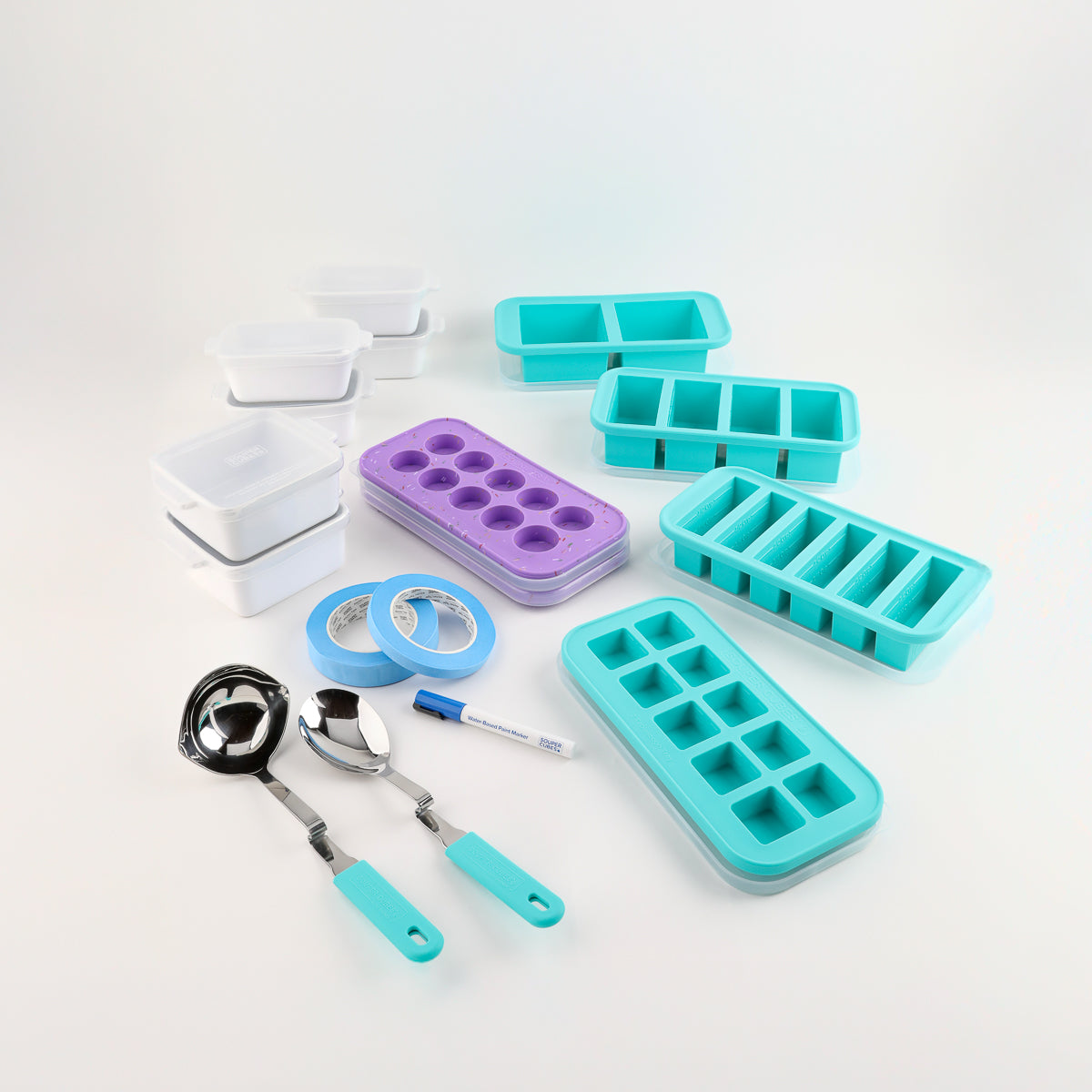
Top Silicone Trays & Tools for Efficient Freezer Meal Cubes
In today's fast-paced world, finding time for healthy, homemade meals can feel like a constant battle. Enter the revolutionary concept of freezer meal cubes – a game-changer for anyone looking to simplify their kitchen routine, reduce waste, and enjoy stress-free dining. Imagine having perfectly portioned proteins, vibrant veggies, wholesome grains, and delicious sauces ready to go at a moment's notice. While the idea itself is brilliant, the right tools elevate your experience from good to absolutely seamless. At the heart of this meal prep revolution are versatile silicone trays, complemented by other essential gadgets that transform bulk cooking into a streamlined system for convenient, homemade meals.
Freezer meal cubes are more than just a trend; they're a smart, practical approach to modern eating. They offer unparalleled convenience, allowing you to prepare everything at once and simply grab what you need on busy days. Their versatility means you can mix and match components to create endless combinations – think taco bowls with seasoned ground beef cubes, or a vibrant grain bowl featuring zesty gyro chicken and roasted sweet potato cubes. Beyond convenience, this method significantly reduces food waste by ensuring that pre-portioned ingredients don't languish and spoil in the fridge. By investing in the right equipment, you're not just buying tools; you're investing in a more organized, healthier, and less stressful lifestyle.
The Game-Changer: Why Silicone Trays Are Essential for Freezer Meal Cubes
When it comes to mastering the art of freezer meal cubes, silicone trays are undeniably the star of the show. Their unique properties make them far superior to traditional ice cube trays or rigid plastic containers for this specific purpose. The magic lies in silicone's inherent flexibility and non-stick nature. Unlike hard plastic, which often requires strenuous prying or even running under warm water to release frozen contents, silicone trays allow for an effortless pop-out of your perfectly formed cubes.
This flexibility is crucial, especially when dealing with delicate sauces, chunky stews, or even individually frozen vegetables. No more struggling to chisel out a portion of frozen soup or battling with stubborn block of chili. With a gentle twist or push, your freezer meal cubes are liberated, ready to be transferred for long-term storage or immediately reheated.
Beyond their pliable design, high-quality silicone trays offer exceptional durability and a remarkable temperature range. Many are rated to withstand temperatures from extreme cold (e.g., -8°F) to high heat (up to 428°F or more), making them suitable not just for freezing, but also for baking or reheating certain items directly. This versatility expands their utility, allowing you to move from freezer to oven with ease for certain recipes like homemade bone broth or mini quiches.
Furthermore, silicone trays inherently promote excellent portion control. Many trays feature individual compartments that are clearly marked with volume measurements (e.g., 4 oz, 8 oz, 1 cup), simplifying your meal planning and ensuring consistent serving sizes. This feature is invaluable for dietary management, reducing guesswork, and helping you stick to your nutritional goals.
Choosing the Best Silicone Trays for Your Meal Prep Needs
Selecting the right silicone trays is key to a successful freezer meal cube strategy. With an array of options available, knowing what to look for can make all the difference.
Variety of Sizes for Ultimate Flexibility
One size definitely does not fit all when it comes to freezer meal cubes. Having a mix of compartment sizes will significantly enhance your meal prep capabilities:
- Small (1/2 cup / 4 oz): Perfect for concentrated sauces (like pesto or tomato paste), herb purees, minced garlic or ginger, broth, or individual servings of roasted vegetables such as onions or mushrooms. They're also excellent for baby food purees.
- Medium (1 cup / 8 oz): Ideal for side dishes like cooked rice, quinoa, larger portions of vegetables, or smaller servings of protein. These are versatile for mixing and matching.
- Jumbo (2+ cups): Best suited for main protein portions such as chili, stew, pulled pork, ground beef, or larger servings of soup. These help build substantial single-serving meals.
Having this variety allows you to freeze different components separately, offering maximum flexibility when assembling your meals. Imagine defrosting a jumbo cube of spiced ground beef, a medium cube of cilantro lime rice, and a small cube of black bean salsa to create a custom taco bowl!
Material Quality and Features to Look For
Not all silicone trays are created equal. When making your selection, prioritize the following features:
- Food-Grade and BPA-Free: Always ensure the silicone is certified food-grade and free from harmful chemicals like BPA. This is non-negotiable for food safety.
- Wide Temperature Range: Look for trays that can withstand both very low and very high temperatures (e.g., -8°F to 428°F). This versatility means they can go from the freezer straight into the oven (for appropriate recipes) or microwave, saving you extra dishes.
- Reinforced Rims: Trays with reinforced steel rims or a more rigid design around the top edge will prevent floppiness when carrying liquid-filled trays to the freezer, minimizing spills.
- Clear Portion Markings: Many quality trays come with internal markings for 4 oz, 8 oz, or other volumes, making accurate portioning effortless.
- Durability: Invest in thicker, more robust silicone that will stand up to repeated freezing, twisting, and washing without degrading.
The Lidded Advantage
While not all silicone trays come with lids, those that do offer significant advantages. Lids serve multiple purposes crucial for efficient freezer storage:
- Prevents Freezer Burn: An airtight lid creates a barrier against air, significantly reducing the risk of freezer burn that can compromise the texture and flavor of your food.
- Protects from Contamination: Lids shield your food from absorbing odors or transferring flavors from other items in the freezer.
- Enables Stacking: Trays with well-fitting, sturdy lids can be stacked, maximizing your precious freezer space and keeping everything organized.
- Eliminates Spills: Lids provide an extra layer of security against accidental spills when transporting trays to the freezer.
Beyond Silicone: Complementary Tools for Freezer Meal Cube Success
While silicone trays are the cornerstone, a few other tools will complete your freezer meal cube setup and streamline your process even further.
Airtight Containers & Freezer Bags
Once your food cubes are fully frozen in the silicone trays, they need to be transferred for long-term storage. This is where high-quality airtight containers and freezer bags become indispensable.
- Freezer Bags: These are excellent for saving space. Once the cubes are solid, pop them out of the silicone tray and transfer them to a heavy-duty freezer bag. Squeeze out as much air as possible before sealing to prevent freezer burn. They can then be stacked flat or stood upright.
- Airtight Containers: For items you might access more frequently or prefer not to bag, sturdy airtight containers with secure lids are perfect. They offer robust protection against freezer burn and make it easy to see contents if clear.
Transferring the cubes out of the silicone trays frees up your trays for the next batch of meal prep, making your system incredibly efficient.
The Unsung Hero: Baking Trays
This simple tool is often overlooked but can be a lifesaver, especially when working with liquids. Silicone trays, being flexible, can be challenging to move when filled with broth, soup, or saucy proteins without spilling. Placing your filled silicone tray onto a sturdy baking sheet before transferring it to the freezer provides a stable, flat surface. Once your freezer meal cubes are completely solid, you can remove the baking sheet and use it for its intended purpose.
Labels & Permanent Marker
Don't underestimate the power of organization! A permanent marker and a roll of freezer labels (or even masking tape) are essential for a mystery-free freezer. Always label your freezer meal cubes with:
- Contents: Be specific (e.g., "Spiced Ground Beef," "Roasted Sweet Potatoes," "Tomato Sauce").
- Date: This helps you practice "first in, first out" (FIFO) to ensure optimal freshness.
- Portion Size: Reinforce the portion control by noting the volume (e.g., "1 cup," "4 oz").
This simple step saves time, prevents food waste, and ensures you always know exactly what delicious, homemade options you have available.
Maximizing Your Freezer Meal Cubes: Tips & Best Practices
To truly unlock the potential of your freezer meal cubes, consider these expert tips and best practices:
- Cool Completely Before Freezing: Always allow cooked food to cool completely to room temperature before portioning and placing it into silicone trays. Freezing hot food can raise the freezer's temperature, potentially thawing other items and creating excess ice crystals, which affects food quality.
- Don't Overfill: Leave a little headspace in each compartment, as liquids expand when frozen. This prevents overflow and ensures neat, perfectly shaped cubes.
- Defrost Safely: The safest way to defrost freezer meal cubes is overnight in the refrigerator. For quicker thawing, you can use the microwave on a defrost setting, stirring occasionally. Always ensure food is thoroughly heated before consumption.
- Embrace Variety: Don't limit yourself! The beauty of freezer meal cubes is their versatility. Use your seasoned ground beef for taco bowls with cilantro rice and sweet potatoes, or enjoy zesty gyro chicken with kale and hummus. For more inspiration, explore a wealth of creative combinations in Mix & Match: Creative Meal Prep Ideas with Freezer Cubes.
- Batch Cook Strategically: Plan to cook large quantities of base ingredients like proteins, sauces, or roasted vegetables. This maximizes your prep time and fills your trays efficiently.
- Check Your Freezer Temperature: Ensure your freezer is set to 0°F (-18°C) or lower for optimal food preservation and safety.
For a comprehensive dive into all aspects of efficient meal prep using this method, be sure to check out The Ultimate Guide to Stress-Free Freezer Meal Cubes.
Conclusion
Embracing the world of freezer meal cubes is a transformative step towards more convenient, healthier, and sustainable eating. By equipping yourself with the right tools, especially high-quality silicone trays in various sizes, alongside essential companions like airtight containers, baking sheets, and proper labels, you're building a system that empowers you to take control of your meals. This method not only saves precious time during busy weekdays but also significantly reduces food waste and ensures you always have nourishing, homemade options at your fingertips. So, invest in these smart kitchen essentials, plan your next batch cook, and unlock the incredible freedom that efficient freezer meal cubes bring to your culinary life.
